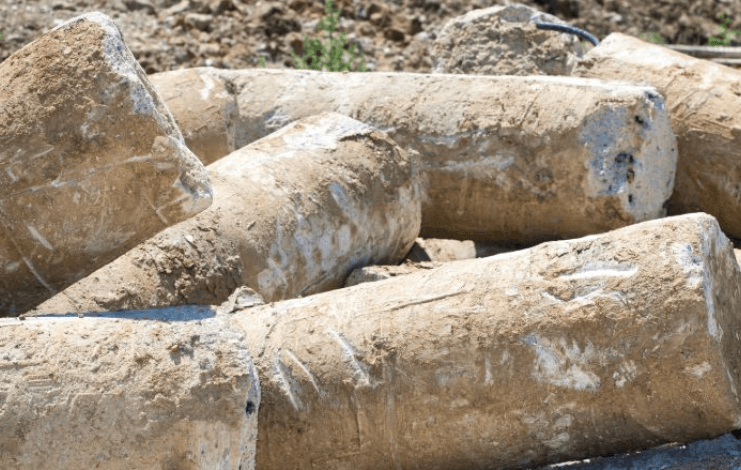
A pier-and-beam foundation is a structural system that lifts a home above ground level using vertical piers and horizontal beams. This design has been used for generations and is still common in many regions today. It offers flexibility, access to utilities, and adaptability to soil movement, but it also carries risks that homeowners and buyers need to understand clearly before making long-term decisions.
If you are researching this foundation type in Central Texas, reviewing local expertise, such as pier and beam foundation austin helps you understand how these systems perform in real-world soil conditions. Climate, moisture, and ground movement all influence how well this foundation holds up over time, making regional insight especially valuable.
How Pier and Beam Foundations Are Built
This foundation system relies on individual piers installed in the ground to support beams that carry the structure’s weight. The home rests above a crawl space, allowing access to plumbing, electrical lines, and structural components. Proper spacing, depth, and alignment of piers determine how evenly the load is distributed. When installation errors occur, Pier and Beam Foundation Repair may eventually be necessary to restore balance and structural stability.
When installed correctly, a pier-and-beam foundation can withstand moderate soil movement without cracking. However, its performance depends heavily on material quality and construction accuracy. Shortcuts during installation often lead to long-term problems that surface years later and require professional Pier and Beam Foundation Repair to correct structural imbalances.
Strengths of a Pier and Beam Foundation
One major advantage is accessibility. The crawl space allows inspections and repairs without removing flooring or cutting into walls. This makes maintenance and system upgrades more manageable over the life of the home and simplifies future Pier and Beam Foundation Repair if adjustments are needed.
Another benefit is adjustability. If a settlement occurs, a pier-and-beam foundation can often be re-levelled by adjusting pier heights or beam alignment. This flexibility is especially useful in areas with expansive or shifting soils where rigid systems may struggle and where timely Pier and Beam Foundation Repair can restore proper elevation.
Common Problems That Can Develop
Despite its advantages, this foundation type is vulnerable to certain issues. Moisture is one of the most common threats. Poor drainage or ventilation can cause wood components to absorb moisture, leading to rot, mold growth, and pest activity that may eventually require Pier and Beam Foundation Repair to replace weakened structural elements.
Uneven settlement is another frequent concern. When piers sink or shift at different rates, floors may slope, and walls can crack. A pier and beam foundation relies on uniform support, so even small changes can affect the entire structure if left unresolved.
Signs of Foundation Failure
Foundation problems rarely appear all at once. Early warning signs usually develop gradually and are often mistaken for normal wear and tear. Uneven or sloped floors are among the most common indicators that structural support has shifted. Doors and windows that stick, drag, or no longer latch properly can signal movement below the living space. Inside the home, visible gaps between walls and ceilings, or along baseboards, often indicate changes in elevation that should not be ignored.
Exterior signs are just as important. Separation between the structure and the ground, especially near the perimeter, suggests that support elements may be settling unevenly. Cracks around pier locations or along exterior walls indicate stress transferring through the foundation system. These changes tend to worsen over time if left unaddressed.
Crawl space inspections frequently provide the clearest evidence of foundation stress. Sagging or misaligned beams, deteriorated piers, and temporary shims are strong indicators that the system is no longer evenly supporting the home. Excessive moisture, standing water, or signs of wood rot further weaken structural components and accelerate failure. When these conditions are identified early, repairs are typically more straightforward and less invasive, helping preserve both structural integrity and long-term value.
Lifespan and Long-Term Durability
With proper care, these foundations can last for decades. Routine inspections, moisture management, and timely repairs play a critical role in extending lifespan. The foundation itself is not inherently short-lived, but neglect accelerates deterioration.
A well-maintained pier-and-beam foundation performs best when drainage is controlled and ventilation is adequate. Small improvements, such as correcting water flow around the home, often make a meaningful difference in long-term stability.
Pier and Beam Versus Slab Foundations
Homeowners often compare foundation types when buying or building a home. Slab foundations require less routine access but can be difficult to repair once problems occur. Pier-and-beam systems offer adjustability and access but require ongoing attention.
Neither option is universally better. A pier-and-beam foundation works well when properly maintained and matched to soil conditions. The right choice depends on the environment, construction quality, and willingness to monitor structural health over time.
See also: Roof Replacement Questions About Shingle Lifespan, Timing, and Home Value
Inspection Red Flags During Home Buying
During inspections, crawl space conditions deserve close attention. Excessive moisture, rotting wood, poorly installed supports, or signs of previous unprofessional repairs raise concern. Documentation of prior work should be reviewed carefully.
If problems appear widespread or poorly addressed, walking away may be the safest option. A compromised pier-and-beam foundation affects the entire structure, making a thorough evaluation essential before purchase.
Conclusion
A pier-and-beam foundation offers flexibility, access, and adaptability, but it also requires informed care and regular oversight. Understanding its strengths, recognizing early warning signs, and addressing issues promptly protect both structural integrity and property value. For inspections, repairs, or professional guidance you can rely on, Total Foundation Repair Austin provides the expertise needed to keep your foundation stable and your home secure for the long term.