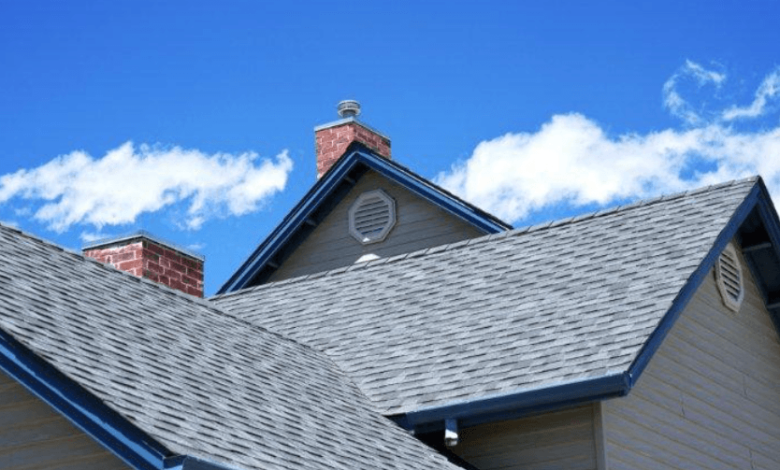
An aging roof does not always announce failure with a dramatic leak. Curling shingles, bare patches, loose flashing, dark streaks, and granules in the gutters may appear years before water reaches the ceiling. Age matters, but roof condition, ventilation, storm exposure, and maintenance history matter just as much.
People comparing roofing companies providence rhode island often ask if a twenty-year-old roof needs immediate work or still has a useful service life. Roof replacement becomes the stronger choice when wear is widespread, repairs keep returning, or the decking and underlayment show signs of moisture damage. A careful inspection separates ordinary aging from conditions that place the structure at greater risk.
When Shingle Age Starts to Matter
Most asphalt shingles are sold with a stated product life, yet real performance depends on climate, installation quality, attic airflow, roof slope, and sun exposure. A shingle labeled for thirty years does not automatically remain trouble-free for exactly three decades. Coastal wind, salt air, freezing temperatures, and summer heat may shorten that period.
A roof near twenty years old deserves closer attention when several warning signs appear together. Missing tabs, exposed fiberglass, loose ridge caps, and recurring leaks suggest that isolated repairs may no longer provide lasting value.
What the Twenty-Five Percent Rule Means
The phrase “25% rule” often confuses because code requirements depend on the building type, the work category, and the code currently in effect. Rhode Island’s rehabilitation rules have included provisions stating that reroofing over twenty-five percent of the total roof area must meet additional requirements. Current projects should be reviewed under the rules that apply to the specific building and municipality.
The Rhode Island Building Code Commission publishes current state code information and adopted editions. Before work begins, the contractor should confirm permit needs, decking requirements, ventilation standards, and rules for existing roof layers. A percentage mentioned online should never replace a project-specific code review.
What Affects the Price of a New Roof
Square footage is only one part of the estimate. Roof pitch, number of stories, valleys, dormers, chimneys, skylights, access, tear-off depth, decking repairs, flashing, ventilation, disposal, and material grade all influence the final amount. A 1,200-square-foot house may have a roof surface larger than 1,200 square feet because slope adds area.
A detailed quote should separate labor, shingles, underlayment, flashing, ventilation, disposal, permits, and possible wood replacement. Hidden-damage allowances should also be explained before signing.
Is There a Better Time of Year
Roof replacement takes place across several seasons, but scheduling and weather affect the experience. Late spring through early fall often provides longer daylight and steadier temperatures. Those months may also bring fuller schedules. Cooler periods sometimes offer more availability, though shingles and sealants must be handled within the manufacturer’s requirements.
Urgent leaks, loose materials, and storm damage should not wait for a preferred month. For a planned roof replacement, early scheduling leaves more time to compare materials, review financing, and select a practical date.
How Roof Color Relates to Home Value
Roof color influences curb appeal, but no single shade raises value on every house. Colors that coordinate with siding, masonry, trim, and neighborhood style usually create the strongest visual result. Neutral gray, charcoal, brown, and weathered blends often appeal to a broad range of buyers.
Heat absorption also deserves attention. Dark shingles generally absorb more solar energy than lighter shades, though attic insulation and ventilation have a larger role in indoor temperature control. Buyers often respond more strongly to a clean installation, balanced color, good records, and a transferable warranty than to one trendy shade.
Selling a House With an Older Roof
A twenty-year-old roof does not automatically prevent a sale. Buyers and inspectors will study its condition, remaining service life, leak history, and visible damage. An older roof in stable condition with good records may raise fewer concerns than a younger roof with poor installation or repeated leaks.
Sellers may replace the roof before listing, adjust the asking price, offer a credit, or sell it as-is. Market conditions, inspection findings, and lender requirements shape the decision. Clear invoices, permits, warranties, and photographs make the roof history easier to evaluate.
See also: The Role of Ductless AC in Smart Home Integration
How to Spot a Questionable Roofing Quote
A contractor should be able to explain the roof condition in plain language and connect each line item to visible findings. Pressure to sign immediately, vague material descriptions, large unexplained deposits, missing insurance details, and refusal to provide a written scope deserve caution.
Ask which shingle line will be used, how flashing will be handled, what underlayment is included, how damaged decking is priced, and who manages cleanup. Registration, insurance, warranty terms, payment schedule, and permit responsibility should appear in writing. Honest answers usually become clearer as the questions become more specific.
Repair or Full Replacement
A focused repair may make sense when damage is limited to a small area and the surrounding roof remains sound. Missing shingles after a storm, one damaged flashing point, or a localized leak may not justify removing the entire roof. Repeated leaks across several areas tell a different story.
Roof replacement offers greater value when materials have reached the end of their service life, large sections are brittle, several repairs have failed, or moisture has affected the roof deck. The decision should reflect the whole roofing system rather than one surface symptom.
Conclusion
Shingle age provides a useful starting point, but timing should come from the roof’s full condition. Material wear, leak history, ventilation, flashing, decking, and storm exposure reveal how much service life remains. A documented inspection gives buyers and sellers a firmer basis for planning the next step.
The Rhode Island Roofers evaluates aging shingles, flashing, ventilation, and roof decking before outlining the work. Schedule an inspection to receive a clear path toward a well-planned roof replacement.