A roof leak may spread far beyond one ceiling stain. Water may travel along decking, rafters, insulation, or wiring before it becomes visible indoors. Missing shingles, damaged flashing, worn sealant, and clogged drainage points may all create openings that allow moisture into the structure.
People searching for roof repair cranston often need to decide between a focused fix and a larger replacement project. Roof Repair begins with an inspection of the shingles, flashing, valleys, vents, roof edges, decking, and attic. The source of a leak may sit several feet from the indoor stain, so the visible mark alone does not reveal the full repair area.
What Makes a Repair Price Fair
A fair price reflects the amount of damaged material, roof height, slope, access, shingle type, flashing work, labor, disposal, and any decking replacement. A small repair around one vent may cost far less than work involving a valley, chimney, or several sections of missing shingles.
Written estimates should describe the damaged area, materials, removal work, underlayment, flashing, cleanup, and warranty terms. Comparing detailed scopes is more useful than comparing one total number. A low estimate may leave out rotten decking, matching materials, or repairs around nearby weak points.
The 25 Percent Rule Explained
People sometimes hear that replacing more than 25 percent of a roof triggers wider code requirements. Rules vary by location, roof type, permit history, and the code adopted by the local building department. The phrase should not be treated as a universal shortcut.
A contractor should explain how much of the roof is affected and confirm permit requirements before work begins. Local officials determine how adopted codes apply to a specific project. Repair decisions should follow the actual damage and current local requirements rather than a rule repeated without context.
Who Should Fix a Leaking Roof
Roof work involves fall risks, hidden moisture, and details that affect future leaks. A licensed and insured roofing contractor is generally the right person for repairs involving shingles, flashing, valleys, vents, chimneys, or structural damage. A general handyman may handle limited maintenance, but roofing experience matters when water entry is active.
Ask for proof of insurance, a written scope, material details, warranty terms, and references from similar work. Be cautious when someone pressures you to sign immediately, refuses to inspect the attic, offers only a verbal price, or claims every stain requires full replacement.
Common Repairs Around the Roof
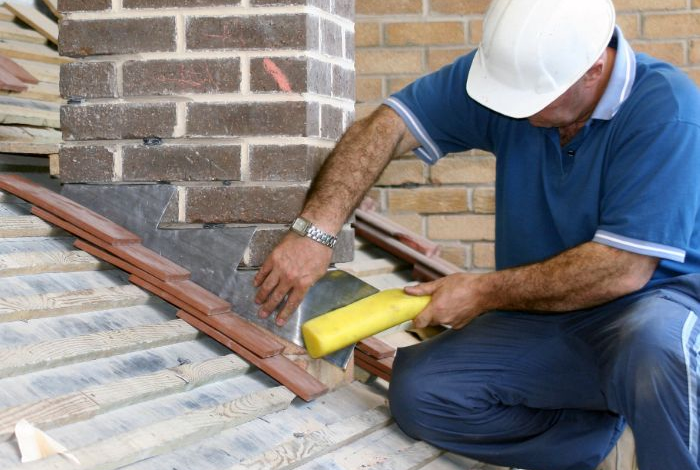
Many projects involve replacing missing shingles, resealing exposed fasteners, repairing flashing, clearing blocked drainage points, or correcting damaged pipe boots. Valleys and roof-to-wall intersections also receive frequent attention because they carry or redirect large amounts of water.
Roof Repair may also involve replacing soft decking after shingles are removed. Decking damage raises the project price because the repair must restore a firm surface before new underlayment and shingles are installed. Covering weak wood would leave the roof vulnerable to future movement and leaks.
When an Older Roof Needs More Than Patching
A 20-year-old roof does not automatically require replacement. Age is one factor among many. Shingle condition, granule loss, curling, repeated leaks, exposed fiberglass, soft decking, ventilation, and prior repairs reveal more about remaining service life.
A repair may make sense when damage is limited and the surrounding roof remains stable. Replacement becomes more practical when leaks appear in several areas, shingles are brittle, matching products are unavailable, or repair work would cover a large percentage of an aging surface. A 30-year shingle label describes a product category or warranty period, not a promise that every roof will reach that age under all weather and installation conditions.
Insurance and Storm Damage
Insurance may cover sudden damage from wind, hail, falling objects, or another covered event. Gradual wear, poor maintenance, old materials, and long-term leakage are often treated differently. Coverage depends on the policy, deductible, cause of loss, roof age, and insurer inspection.
The Rhode Island Department of Business Regulation advises consumers to document damage, review policy terms, and communicate carefully with the insurer after a loss. Take photographs before temporary work begins, save damaged materials when practical, and keep receipts for emergency protection. Contractors document physical damage, while the insurer makes the coverage decision.
See also: The Role of Ductless AC in Smart Home Integration
Temporary Repairs and Budget Limits
A tarp or temporary seal may reduce water entry until permanent work is scheduled. Temporary work should be treated as short-term protection rather than a finished repair. Wind, rain, and temperature changes may loosen temporary materials.
Budget-focused planning should prioritize the active leak, damaged decking, flashing, and water pathways. Cosmetic work may wait when safety and moisture control require attention first. Roof Repair performed early may remain smaller than work delayed until water reaches insulation, ceilings, framing, or electrical components.
Taxes and Repair Records
Routine roof work on a primary residence is generally considered maintenance rather than a personal tax deduction. Different rules may apply to rental property, business use, casualty losses, or energy-related improvements. A tax professional should review the project and current tax rules before any deduction is claimed.
Keep inspection reports, photographs, permits, invoices, warranties, insurance letters, and product details. Those records create a clear history for future repairs, insurance questions, and a possible sale.
Conclusion
Roof leaks require more than a quick patch over the indoor stain. Shingle condition, flashing, decking, drainage, roof age, and the cause of damage shape the right repair. Detailed estimates and careful documentation make it easier to compare contractors and understand insurance questions.
The Cranston Roofers evaluates leaks, aging shingles, flashing, decking, and storm damage before outlining the work. Schedule an inspection for a clear Roof Repair plan based on the condition of the roof.