A sinking foundation may reveal itself through sloping floors, widening wall cracks, doors that drag, or gaps where walls meet ceilings. These changes do not always appear at once. Small shifts may develop over several seasons, while severe movement may become noticeable after drought, heavy rain, plumbing leaks, or soil erosion.
People researching foundation repair kyle tx often want to know how much movement is acceptable, which repair methods fit the damage, and when major structural work becomes necessary. Foundation Repair starts with identifying the cause of movement rather than treating every crack as the same problem. Floor elevations, drainage, soil conditions, crack patterns, and changes across the structure all shape the repair plan.
How Sinking and Cracks Shape the Decision
Minor settling is common as a house adjusts to soil and moisture changes. Concern rises when one section continues moving, floors develop a noticeable slope, doors stop closing, or cracks widen across walls and ceilings. A single hairline crack may remain stable for years, while a stair-step or horizontal crack may point to movement that deserves prompt evaluation.
The amount of sinking considered acceptable depends on the structure and how evenly it has moved. Uniform settlement is different from differential settlement, where one area drops faster than another. Uneven movement places stress on framing, plumbing, masonry, and interior finishes. Measurements taken over time reveal whether movement has slowed or remains active.
What Major Structural Work May Include
Repair methods depend on the foundation type, soil, access, and depth of stable support. Pier systems may transfer the weight of a sinking section to stronger soil or deeper load-bearing material. Underpinning may support several affected areas, while wall anchors or braces may stabilize inward movement in basement walls.
Lifting is usually gradual. Raising a house too quickly may place added stress on plumbing, drywall, windows, and framing. Contractors often focus first on stabilizing the structure, then make limited adjustments where conditions permit. The finished elevation may not return every room to a perfectly level position, especially when movement has developed over many years.
What Affects Foundation Repair Cost
There is no single average price that fits every Texas property. Cost changes with the number of affected areas, repair depth, foundation design, access, soil conditions, drainage work, engineering needs, and finish repairs. A localized crack repair costs far less than installing many piers or lifting a large section of a house.
A detailed proposal should explain the observed movement, repair method, pier locations, expected lifting, warranty terms, cleanup, and excluded work. Comparing written scopes is more useful than comparing one total number because two contractors may be pricing very different levels of work.
Insurance Coverage in Texas
Texas home insurance policies differ, and foundation damage is often excluded unless added through an endorsement or tied to a covered event. The Texas Department of Insurance notes that common endorsements may include damage to foundations or slabs. Policyholders should review the policy and speak with the insurer before assuming a repair qualifies for payment.
Photos, inspection records, plumbing reports, and dates showing when damage appeared create a clearer history.
Living in the House During Repairs
Many Foundation Repair projects allow occupants to remain in the house. Exterior pier work, limited lifting, and crack repairs often affect one part of the structure at a time. Noise, vibration, dust, blocked rooms, and short utility interruptions may still occur.
Larger projects may require restricted access around the work zone. Plumbing lines, gas connections, and electrical systems may need inspection after lifting. The contractor or engineer should explain which rooms must remain clear, how long the work is expected to take, and whether temporary relocation is appropriate for any stage.
Alternatives and Supporting Measures
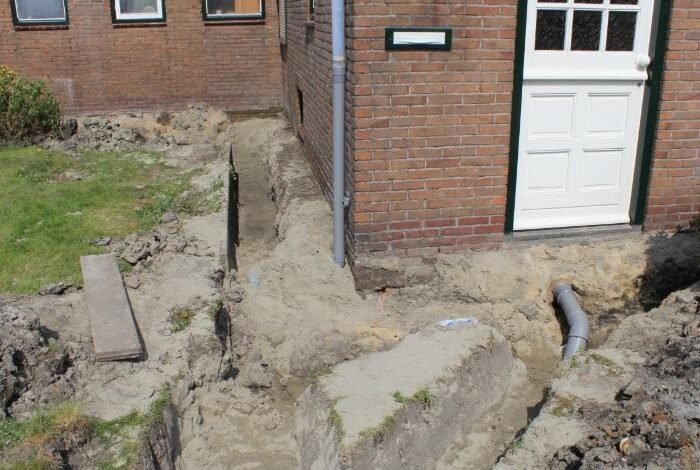
Not every crack requires piers. Stable nonstructural cracks may receive epoxy or polyurethane injection. Drainage corrections, gutter work, downspout extensions, grading, plumbing repairs, or moisture management may reduce conditions contributing to movement. These measures do not replace structural support when settlement remains active, but they may protect completed work and reduce future soil changes.
Monitoring may be appropriate when movement is minor and no immediate safety concern exists. Elevation readings, dated photographs, and crack measurements create a record. Waiting without documentation leaves little evidence of how quickly conditions are changing.
See also: Roof Replacement Questions About Shingle Lifespan, Timing, and Home Value
Selling Value and Repair Warranties
Foundation problems do not automatically prevent a sale, though known defects may require disclosure. Buyers often look for inspection reports, engineering documents, invoices, permits, and transferable warranty details. Completed work with clear records may reduce uncertainty more than an unresolved problem with no repair history.
Warranty language deserves close reading. Coverage periods, transfer rules, maintenance duties, exclusions, and service fees vary. A long warranty does not replace a clear scope of work or proof that the selected method fits the cause of movement.
When Safety Becomes the Priority
A house does not usually collapse from a small crack alone. Risk becomes more serious when movement affects load-bearing walls, support columns, beams, or several connected areas. Rapid changes, severe wall displacement, broken plumbing, large floor drops, or visible separation between structural parts deserve immediate professional attention.
The decision to repair should reflect movement, safety, future use, and the cost of leaving the condition unresolved. Foundation Repair is generally more manageable when the cause is identified before damage spreads into framing, utilities, and finished rooms.
Conclusion
Sinking and cracking foundations require more than a quick judgment based on one visible line. The direction of movement, rate of change, soil conditions, drainage, and structural symptoms reveal how serious the problem may be. A measured inspection gives the repair plan a stronger footing and separates cosmetic damage from work that protects the structure.
Total Foundation Repair Kyle evaluates movement, crack patterns, drainage, and foundation conditions before outlining the next step. A professional assessment provides a clearer path toward stable and informed repair decisions.